Architecture · 18 September 2026 · 6 min read
On the appeal of a north-facing studio
Estate agents rarely lead with orientation, yet nothing shapes a room more. A case for the steady light of the north.
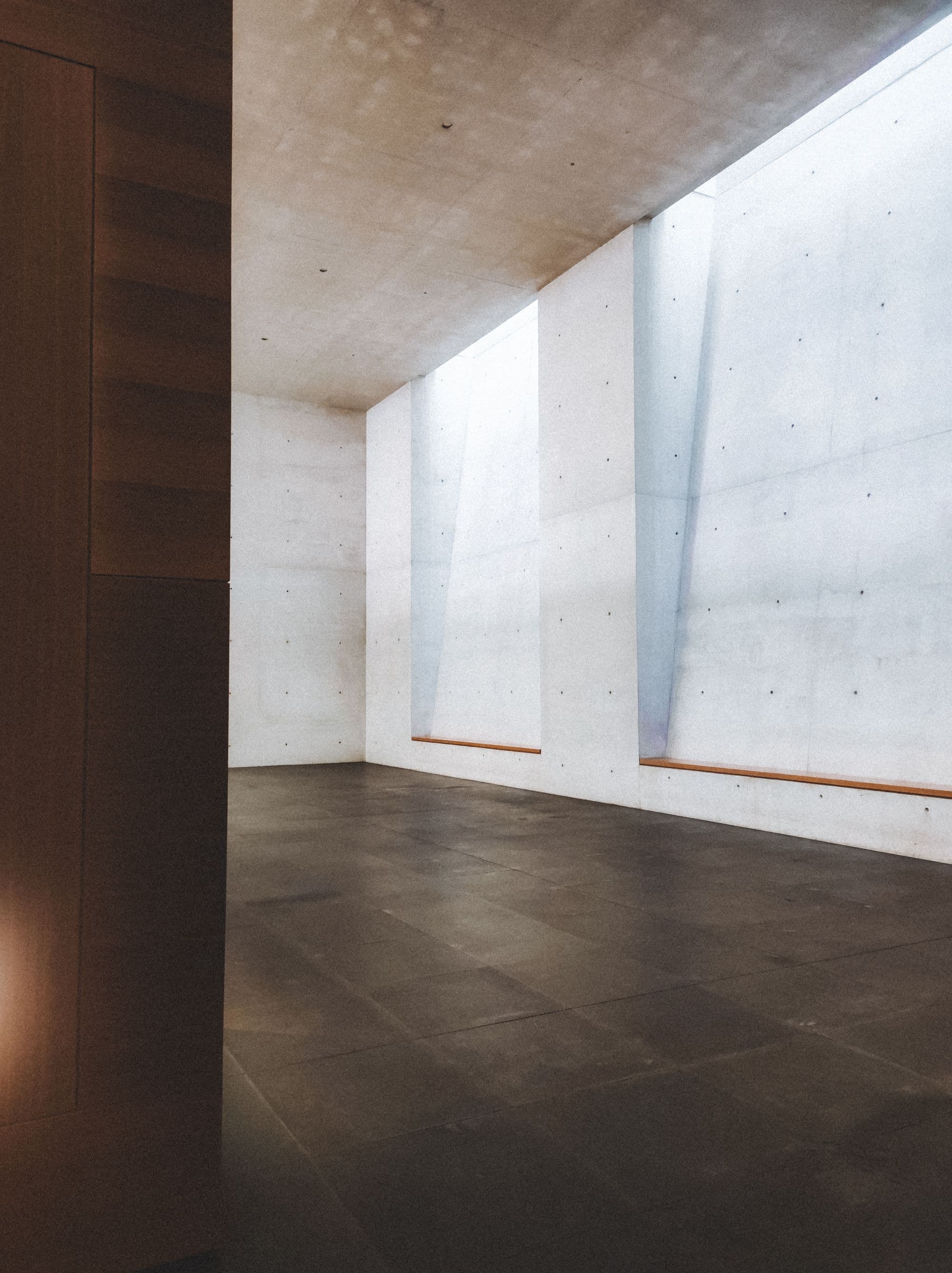
Ask most buyers what they want from a London home and the answer comes quickly: south-facing. It is shorthand for warmth, for a garden that earns its keep, for a kitchen that is flooded at breakfast. It is a sound instinct, and a partial one.
A different quality of light
North light is cooler and more even. It does not move across a room in dramatic bands, and it does not bleach the colour from a painting or a floor. It is the reason painters built studios with tall north-facing windows long before there were estate agents to describe them.
In a studio or study, this steadiness matters. You can work at a desk at noon or at four without drawing a blind. Textures hold their shape: plaster looks like plaster, oak looks like oak, and a white wall reads as many different whites.
South light flatters a room. North light tells the truth about it.
Planning with it, not against it
The best north-facing rooms are generous in height. A tall window brings light deep into the plan, and pale walls pass it around. Floors that are lighter than you might expect, and a modest number of strong objects, do more than any spotlighting.
None of this argues against a sunny garden. It argues for knowing what each room is for. A kitchen can face south and a study can face north, and a house with both is usually better than a house that faces one way only.
Next story
Materials that acquire character →