Materials · 4 August 2026 · 7 min read
Materials that acquire character
Brick, oak, lime plaster, zinc: the surfaces that look better at forty than at four, and how to recognise them.
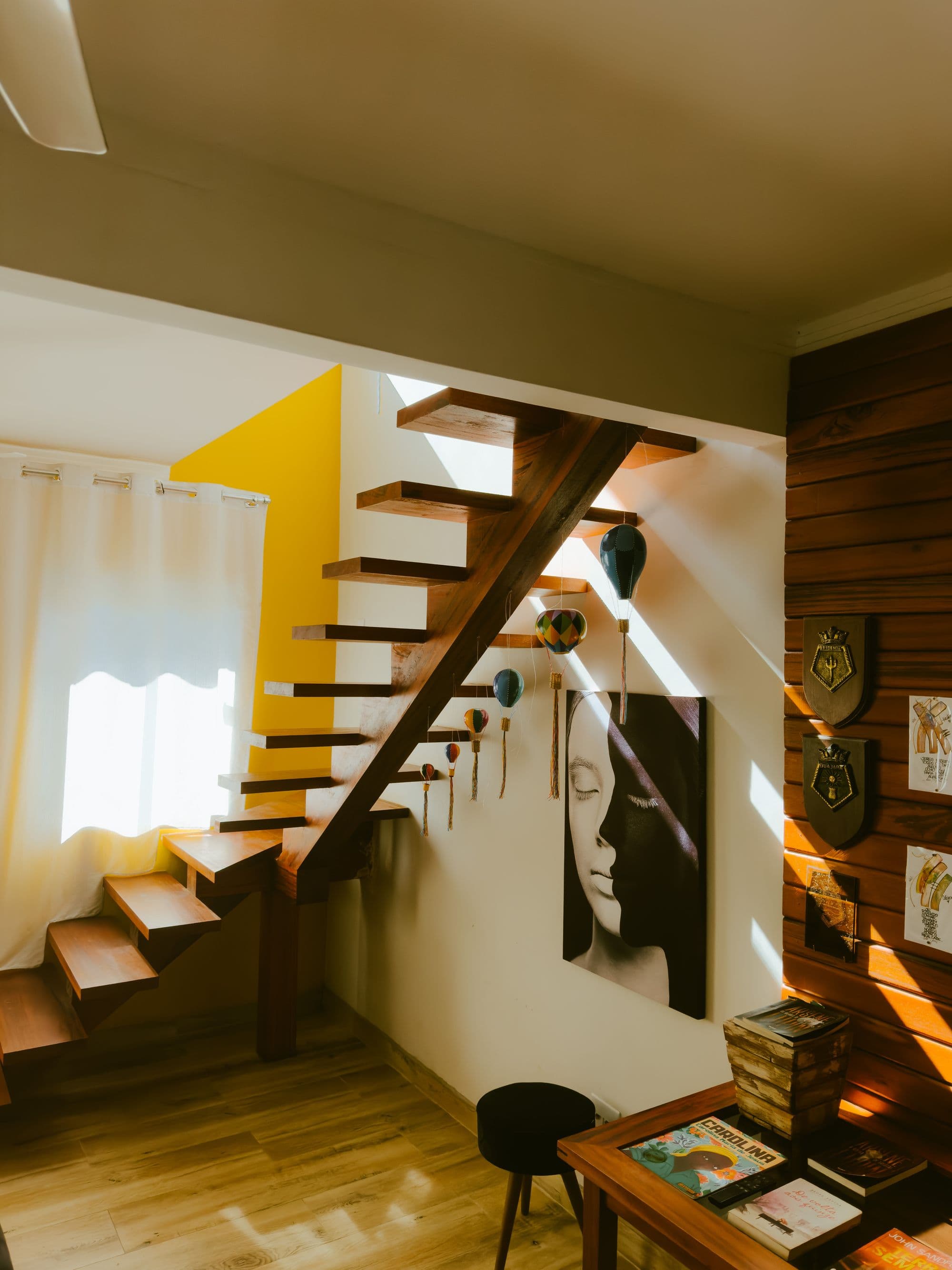
Some surfaces are finished on the day they are installed. Others only begin then. The difference is one of the quietest guides to the quality of a house, and it is available to anyone who looks at a wall for longer than a minute.
Brick and lime
London stock brick darkens and softens with weather. Laid in lime mortar, it can move slightly without cracking and breathe as it dries. Repointed badly in hard cement, the same wall can trap moisture and spall. A lime-pointed wall in good order is a small, durable piece of craftsmanship.
Oak and the hand
Oak floors and stair rails take on the marks of the people who use them. Treated with oil or soap rather than a hard lacquer, they can be refreshed in place. Look at the treads of a Georgian staircase: the dip in the middle is a record, not a defect.
A good material gets better at being itself.
Metals that weather
Zinc, lead and untreated copper change colour as they react with the air. A zinc roof turns from bright to soft grey; a lead flashing becomes matte. These are not signs of neglect, and they tell you the material is doing its job.
The point is not nostalgia. A house made from these materials can be maintained instead of replaced, and that is both a practical and a pleasant thing to inherit.
Next story
A weekend in Marylebone →